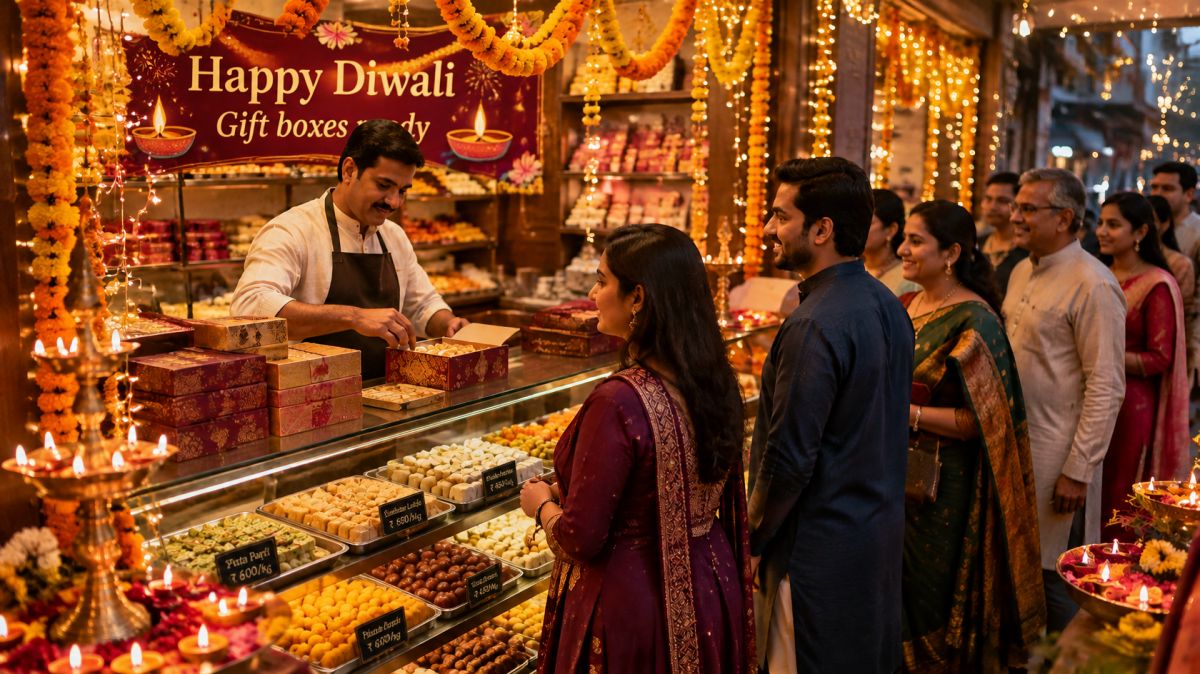
Why plan early?
Every year, many shops lose festival sales not because customers didn’t come, but because the popular items ran out, the queue was too long, or the shop opened late on the busiest day. A few hours of planning six weeks earlier prevents most of this.
This checklist works for most festivals and seasons: Diwali, Eid, Holi, Raksha Bandhan, Navratri and Durga Puja, Christmas, Pongal and Sankranti, Onam, Baisakhi, and the wedding season. Adjust the timing to your festival and your town.
Six weeks before: plan
Look back at last year
- What sold out first? What was left over?
- Which days were busiest, and at what times?
- What did customers ask for that you didn’t have?
- What went wrong: queues, late deliveries, missing change, staff shortage?
If you didn’t keep notes last year, start this year. A single page will help you next time.
Make a festival stock list
- Bestsellers: order more of what sold out last year.
- Festival-only items: diyas, puja items, rakhis, sewai, gift packs, decorations, dry fruits, colours, cake ingredients.
- Gift packing: boxes, bags, ribbons, tags. These run short every year.
- Everyday items: don’t let milk, sugar, oil and atta run out because the shelf is full of festival stock.
Talk to suppliers early
Book stock now, agree on delivery dates, and ask about festival rates. In the last two weeks, suppliers are busy and prices often rise. If you’re part of a market group, consider buying packing material together for a better rate.
Check your money
Festival stock needs cash before it brings cash. Work out how much you’ll spend and when, so you’re not short just before the rush.
Four weeks before: get ready
Staff and help
- Decide how many people you need on the busiest days.
- Ask family members or reliable local youth to help, and agree on pay and hours in advance.
- Give each person one clear job: billing, packing, delivery, or helping customers.
- Show new helpers where things are and what the prices are before the rush.
Hours
- Decide your festival hours: earlier opening, later closing, open on your usual off day?
- Update your hours on your board, WhatsApp profile and Google profile, including the festival day itself.
Pre-orders
Pre-orders are the single best way to handle a festival rush. You know what to make or stock, customers don’t wait, and you get some money in advance.
- Offer pre-orders for gift boxes, sweets, cakes, hampers, stitched outfits and party orders.
- Set a clear last date for pre-orders.
- Take an advance (often half) for big or custom orders.
- Write each order down with name, number, items, date and time of pickup or delivery.
Diwali pre-orders are open! Order your sweet boxes and gift hampers by 25 October and pick up any time from 28 October, no waiting. WhatsApp us on 98xxxxxxxx.
Two weeks before: tell people
- WhatsApp status: post photos of festival items, gift boxes and pre-order details every few days.
- Broadcast to regulars: one clear message with what’s available, prices, pre-order last date and your hours. See selling on WhatsApp.
- At the counter: a small board with festival offers and the pre-order last date.
- Google profile: add festival photos and post an update.
- Society groups: one post, with the admin’s permission.
Offers that don’t hurt your profit
- Combo packs (sweets + namkeen, rakhi + chocolate) instead of discounts on everything.
- Free gift packing above a certain amount.
- Early-bird pre-order price for orders placed before a date.
- Free delivery above a minimum order in your area.
One week before: set up the shop
Decorate
- Clean the shop properly first: shelves, floor, board, lights.
- Decorate the front so the shop looks festive from the street: lights, flowers, rangoli, banners.
- Keep the entrance clear; decorations shouldn’t block customers or the footpath.
- If your market decorates together, join in. A lit-up street brings more people than one lit-up shop.
Arrange for the rush
- Put festival bestsellers where customers can see and reach them easily.
- Prepare ready-packed boxes in common sizes and price points, so busy customers can pick and pay.
- Set up a separate pickup point for pre-orders, so those customers don’t wait in the main queue.
- Keep price tags clear on everything.
Payments
- Keep UPI QR codes at the counter and at the pickup point.
- Check your sound box or payment alerts are working.
- Get enough change from the bank in advance.
- Remind staff: always check payment has arrived before handing over goods. Fake payment screenshots are common in busy times.
Safety: don’t skip this
- Fire: keep a working fire extinguisher, and know how to use it. Keep diyas, candles and lights away from cloth, paper and packing material.
- Electrical: don’t overload sockets with festive lights. Use proper wiring and switch decorations off when the shop closes.
- Crackers: if you sell them, follow local rules and licences, and store them away from heat and other stock.
- Crowds: keep the entrance and exit clear, and watch for pickpockets.
- Cash: don’t keep large amounts in the drawer; deposit regularly.
- Food safety: for sweets and food, keep things covered, fresh and labelled, especially when making in bulk.
Festival days: handle the rush
- Open on time, or a little early, every day of the festival week.
- Stick to the job plan: one person billing, others packing and helping.
- Keep the queue moving: ready packs and the separate pre-order pickup help a lot.
- Restock shelves during quieter hours, not in the middle of a crowd.
- Look after your team: water, food, short breaks. Tired staff make mistakes and lose patience.
- Stay kind even when it’s busy. A warm “Happy Diwali” with every bill is remembered.
- Write down anything you ran out of, and anything customers asked for.
After the festival: follow up
- Thank your customers: a short thank-you message to regulars and pre-order customers.
- Ask for reviews from happy festival customers. See getting customer reviews.
- Clear leftover stock with a small post-festival offer, before it goes stale.
- Settle accounts: supplier payments, helper payments, udhaar.
- Write your notes for next year: what sold, what ran out, what went wrong, what customers loved. Keep this page safe.
The one-page checklist
- 6 weeks: review last year, make a stock list, book suppliers, plan money.
- 4 weeks: arrange staff, set festival hours, open pre-orders.
- 2 weeks: announce on WhatsApp, Google and in the shop; plan offers.
- 1 week: clean, decorate, arrange ready packs and pickup point, check payments and change.
- Safety: fire extinguisher, safe wiring, clear exits, regular cash deposits.
- Festival days: open on time, stick to jobs, look after staff, note shortages.
- After: thank customers, ask for reviews, clear leftovers, settle accounts, write notes.
Festivals are when your town comes out to its markets. Be ready, be kind, and make your shop part of the celebration.
This guide is general information to help local shops. It is not professional advice.
